Looking Ahead
A will written before the children arrived
A document drawn up for a household of two, ten years ago, is still the legally operative one until somebody changes it.

Everything below about updating an outdated will comes from what actually happens rather than from what is supposed to.
What holds up in practice
- Wills do not update themselves when circumstances change.
- Marriage or divorce affects a will differently depending on the jurisdiction.
- Guardianship and executor choices age faster than the rest of the document.
The document does not know what happened next
A will made when a couple bought their first home reflects the assets, the family and the relationships as they existed that year. Children, property, a business, a separation and a second relationship all change what the document should say and none of them change it. Because a will is filed away and rarely reread, households frequently believe theirs is current when it plainly is not.
The consequence appears only after a death, when nobody involved can correct it. Reading your own will once, now, is usually enough to identify whether it needs work.
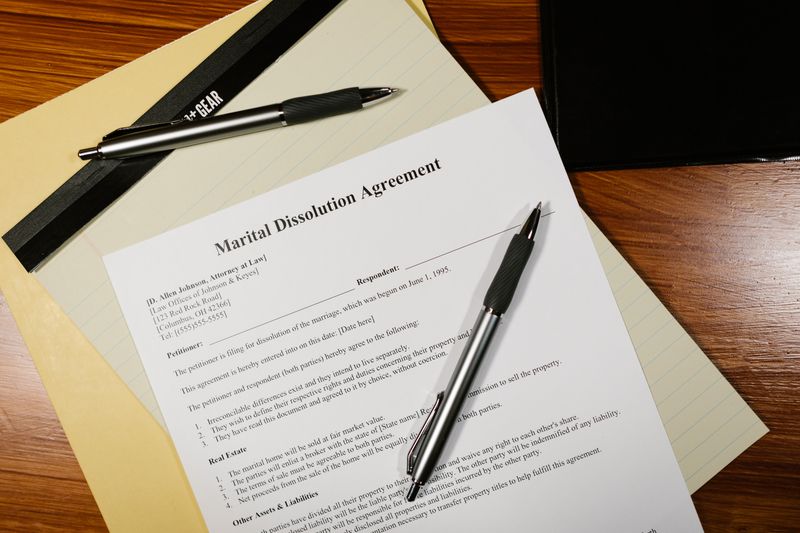
Marriage and divorce do unexpected things
In several jurisdictions, marriage revokes an existing will entirely, leaving a person intestate without ever having made a decision. In others, divorce removes a former spouse from the will but leaves the remainder of it operative in ways that may not make sense. The rules differ enough between countries that assuming the position from something you have read elsewhere is genuinely unsafe.
On an ordinary week, anyone who has married, remarried, divorced or entered a civil partnership since making a will should have it checked. This is one of the cheapest pieces of legal work available and one of the most commonly skipped.
Guardianship is the clause that dates fastest
Naming who would raise your children is the reason many parents make a will, and the right choice at three is not always the right choice at thirteen. The person named may have moved country, had their own children, become unwell or drifted out of your life entirely. It is also worth confirming they are still willing, since the appointment is frequently made without a full conversation.
Where it helps most, once children are grown, the clause becomes irrelevant and its presence is a sign the document has not been reviewed. How guardianship appointments operate varies by jurisdiction, and in some places a court retains discretion regardless.
Executors age too
Executors named years ago may now be elderly, unwell, estranged, or living somewhere that makes administration impractical. Being an executor is a substantial and technical job, and appointing someone unsuited to it creates problems for everyone. Naming a substitute is standard practice and frequently omitted, which causes difficulty if the first choice cannot act.
Where an estate is complex, a professional executor is an option, and the cost of that should be understood in advance.
Telling the people you have named, and where the will is kept, is as important as the appointment itself.
Assets outside the will
Pensions, some insurance policies and jointly held property frequently pass outside the will under separate rules. That means a will can be perfectly drafted and still fail to direct a substantial part of what a household actually owns.
Beneficiary nominations on pensions and policies are the mechanism for those, and they are usually the most out of date documents anyone holds. Reviewing the will and the nominations at the same time is the only way to see the whole picture. How each asset passes depends on the jurisdiction and on how it is held, which is a question for the person drafting the will.
Attach the review to events, not to years
A will should be looked at after a birth, a death, a marriage, a separation, a significant change in assets or a move to another country. Moving country is the most underestimated of these, since a will valid in one place may operate very differently in another.
For most people, owning property abroad raises the same issue and frequently requires specific advice about more than one legal system. A short check every few years catches anything the event list missed. The task is small, the cost is modest and the alternative is a document that quietly stopped describing your family.
The takeaway
Read your own will this month, then check the pension nominations that sit outside it.
The version you keep doing is the version that works.
Questions readers ask
Does getting married cancel my will?
In several jurisdictions it does, which can leave someone intestate without realising. In others it does not. The rules differ enough that this needs checking where you live.
Does my will cover my pension?
Often not. Pensions and some policies pass under separate rules, usually directed by a beneficiary nomination. Review those at the same time as the will or you are only seeing part of the picture.