Looking Ahead
Power of attorney: what it does and what it does not
It has to exist before it is needed, because the event that makes it necessary is usually the event that makes it impossible to create.
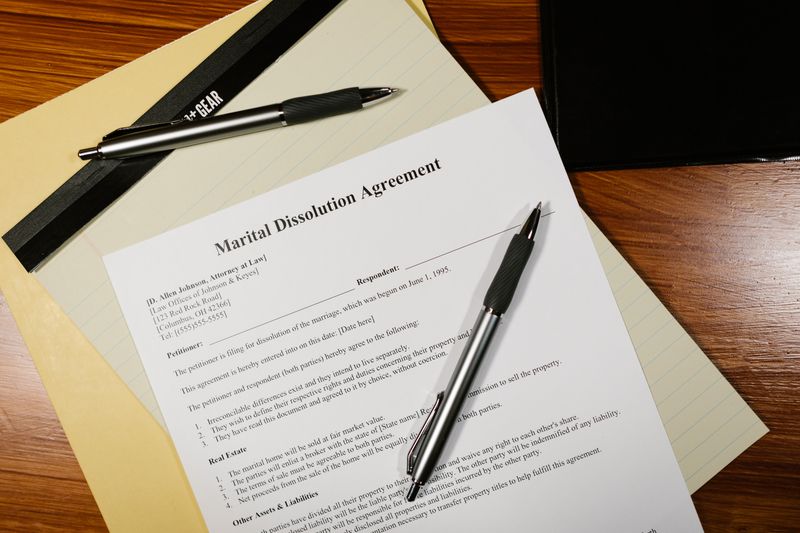
These are listed in the order worth acting on, which with powers of attorney is not the order they are usually presented in.
What matters most
- A power of attorney can only be created while the person granting it has capacity.
- Separate documents commonly cover financial affairs and health decisions.
- Without one, families face a slower court process with less control over the outcome.
The timing rule is the whole point
A power of attorney is a grant of authority made by a person with capacity, which means it must be created before capacity is lost. A stroke, an accident or a dementia diagnosis can remove that option within a day.
After that, families in most jurisdictions must apply to a court or equivalent body for authority, which is slower, more expensive and more restrictive. This single fact is why the arrangement is made in a quiet week rather than during a crisis.
Usually more than one document
Many systems separate authority over property and financial affairs from authority over health and welfare decisions. Someone may want different people for each, and some jurisdictions allow different rules for when each takes effect.
The useful part is this: financial powers sometimes take effect immediately, which is useful for practical help long before capacity becomes an issue. The specific structure and terminology differ substantially between countries, so local advice is required.
Choosing attorneys
The role requires reliability and organisation more than financial expertise, and the person must be willing. Appointing more than one, with clear rules about whether they act together or independently, provides continuity and can also create deadlock. Replacement attorneys cover the case where the first is unable or unwilling to act, and are frequently omitted.
For most people, appointing someone who lives far away or who is themselves elderly is a common practical mistake.
What an attorney can and cannot do
An attorney must act in the person's best interests and generally cannot make gifts beyond limited exceptions or rewrite their affairs. They can usually manage accounts, pay bills, deal with property and interact with institutions, within the scope of the document. Record-keeping matters, because attorneys can be required to account for what they have done.
Put simply, it is a serious legal responsibility rather than a convenience, and anyone accepting it should understand the obligations.
Registration and delay
Several jurisdictions require the document to be registered with an official body before it can be used, and this can take weeks or months. Registering in advance, rather than at the point of need, removes a delay at exactly the wrong moment.
Put simply, institutions frequently require sight of the registered original or a certified copy, and each has its own process. Telling the attorney where the document is kept is as important as making it.
If that does not fit your week, it is not a failure of willpower.
Make your own at the same time
The conversation with a parent is much easier when you are arranging your own and asking them to be involved. It also addresses a genuine gap: capacity can be lost at any age through accident or illness, not only in old age. Households where one adult manages everything are particularly exposed if that adult becomes unable to act.
The cost of getting this professionally drafted is modest against the cost of the court route.
Everything above, in order of what to do first
- The timing rule is the whole point. A power of attorney is a grant of authority made by a person with capacity, which means it must be created before capacity is lost.
- Usually more than one document. Many systems separate authority over property and financial affairs from authority over health and welfare decisions.
- Choosing attorneys. The role requires reliability and organisation more than financial expertise, and the person must be willing.
- What an attorney can and cannot do. An attorney must act in the person's best interests and generally cannot make gifts beyond limited exceptions or rewrite their affairs.
- Registration and delay. Several jurisdictions require the document to be registered with an official body before it can be used, and this can take weeks or months.
- Make your own at the same time. The conversation with a parent is much easier when you are arranging your own and asking them to be involved.
The takeaway
It can only be made while it is not needed. That is the reason to do it this month.
Small and repeatable beats ambitious and abandoned, almost every time.
Questions readers ask
What happens if someone loses capacity without a power of attorney?
Families generally have to apply to a court or equivalent body for authority to act. It is slower, more expensive and typically grants narrower powers than the person would have chosen.
Can I make one myself?
Forms exist in many jurisdictions and the formal requirements are strict, with errors discovered when they cannot be corrected. For anything beyond the simplest circumstances, use a solicitor.